
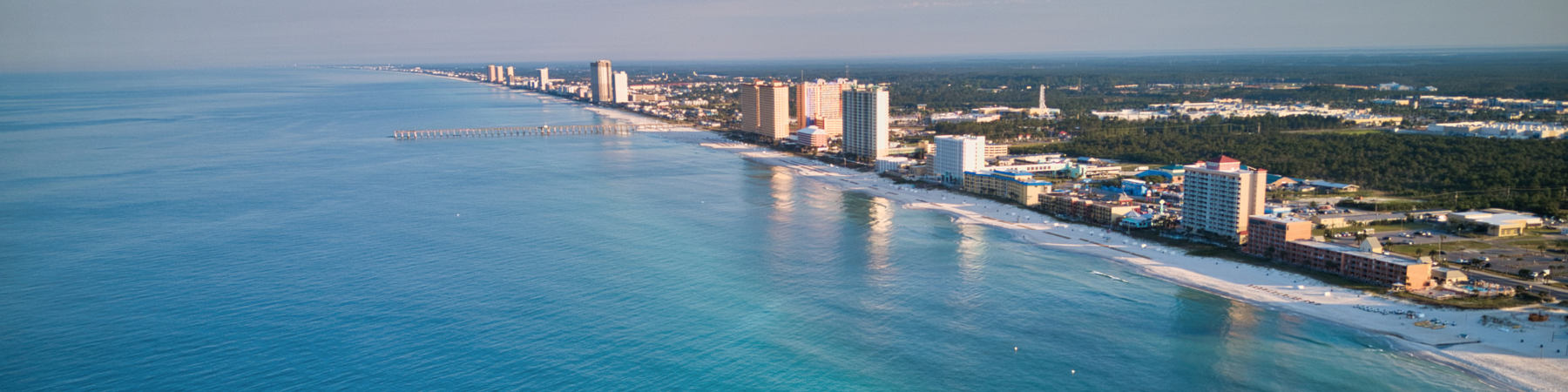
Planning a Panama City Beach getaway starts with understanding the weather so you can time your trip just right, whether you're dreaming of spring break sunshine, peak-summer beach days, or quiet fall escapes with warm water and smaller crowds. This Panama City Beach Weather Guide breaks down temperatures, rainfall, water conditions, and hurricane season so you can choose the best month for your style of vacation.
Overview: What the Weather Is Like Year-Round
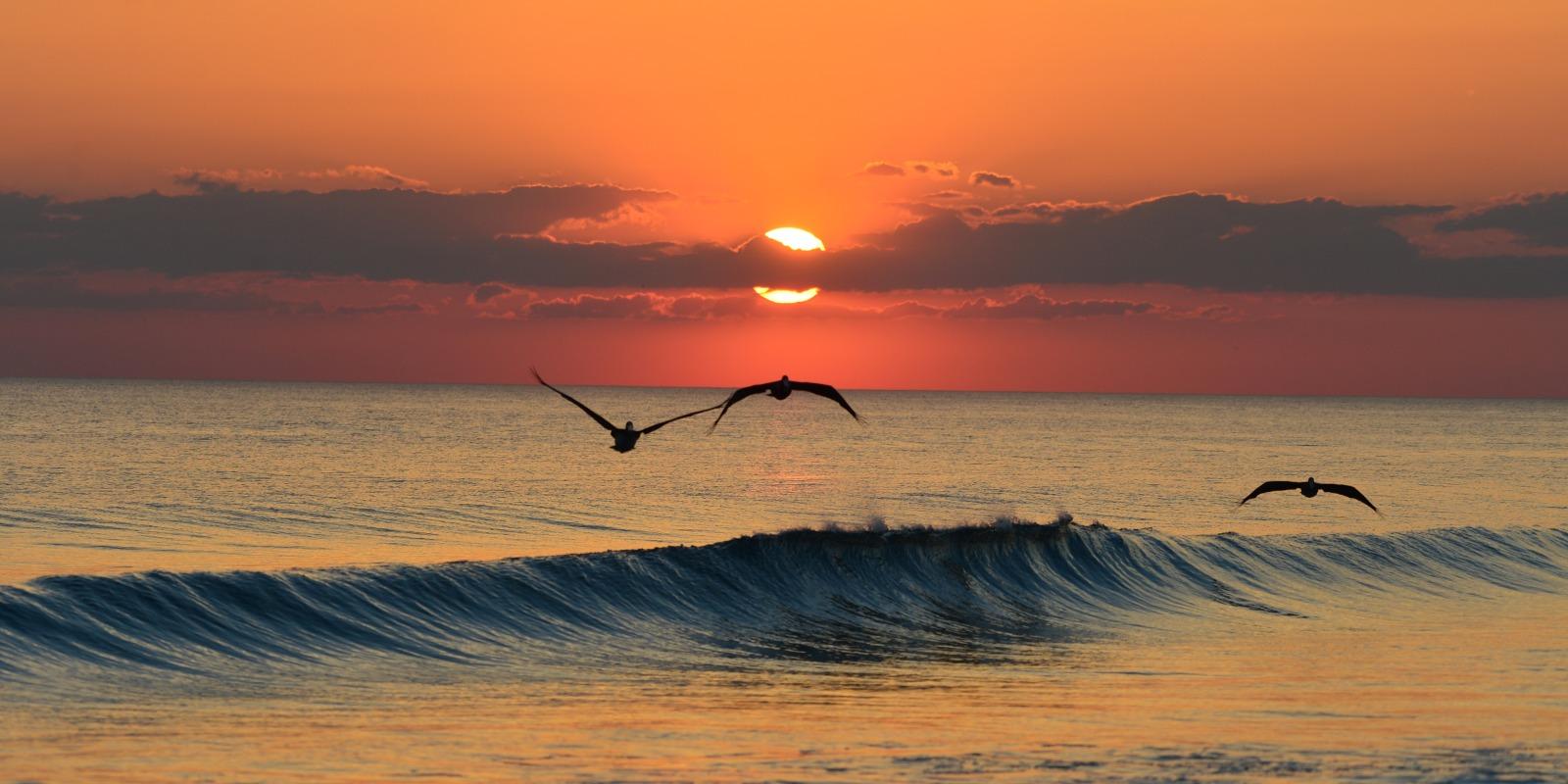
Panama City Beach has a humid subtropical climate with mild winters, long warm seasons, and plenty of sunshine, making it a true year‑round beach destination. Average winter highs hover in the low to mid‑60s Fahrenheit, while summer highs reach the upper 80s to around 90 degrees, with warm Gulf breezes keeping things comfortable on the sand. Rainfall is spread throughout the year but tends to peak in summer, often as brief afternoon showers rather than all‑day washouts.
The Gulf of Mexico is swimmable most months, with the main swimming season typically running from March through November. Start planning your perfect Panama City Beach getaway today by exploring our latest vacation rentals, insider tips, and local guides on Emerald Coast Retreats so you can book with confidence and enjoy the ideal weather for your stay.
Gulf water temperatures
The Gulf of Mexico is a big part of the PCB experience, so water temperature matters.
- Winter average water temperature: about 63°F, which feels chilly to most swimmers.
- Spring average: around 70–71°F, becoming comfortable from late spring onward.
- Summer average: roughly 84–85°F, perfect for long swims, snorkeling, and watersports.
- Autumn average: around 78°F, still warm for swimming well into October.
One useful statistic: the warmest water typically occurs in August, at about 85.5°F on average, while the coldest water is usually in February at roughly 61.2°F.
Spring (March–May): Best All‑Around Weather
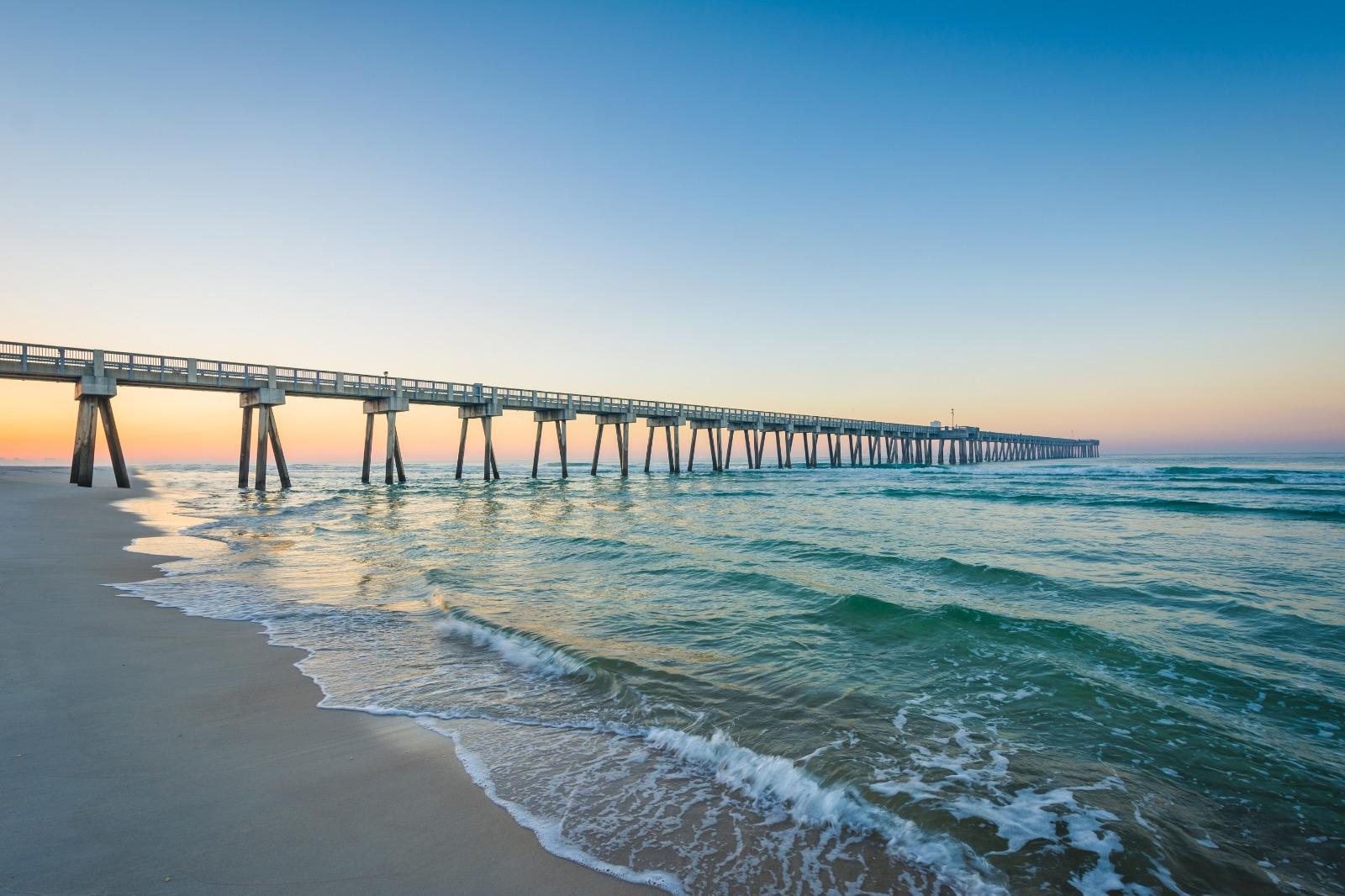
Spring is one of the most popular times to visit, thanks to warm but not overwhelmingly hot temperatures and generally pleasant conditions.
Typical spring conditions
- March: highs near 72°F and lows around 51°F, with more noticeable breezes and some cool evenings.
- April: highs near 78°F, lows around 57°F, often sunny and comfortable for long days outside.
- May: highs around 84°F, lows about 65°F, with many days feeling like full summer.
Rainfall in spring averages roughly four days per month, which means lots of dry, sunny days for beach time and outdoor activities. Water temperatures climb from the upper 60s into the 70s through the season, and for many visitors it's warm enough to swim comfortably from March onward.
Who will love spring in PCB
Spring is ideal if you want reliably warm weather without peak‑summer humidity or heat. Families, couples, and spring breakers all find something to enjoy, from early‑season beach days to events and outdoor dining with comfortable evenings. If you prefer a quieter experience, aim for later in April or early May rather than peak spring break dates.
Summer (June–August): Peak Beach Season
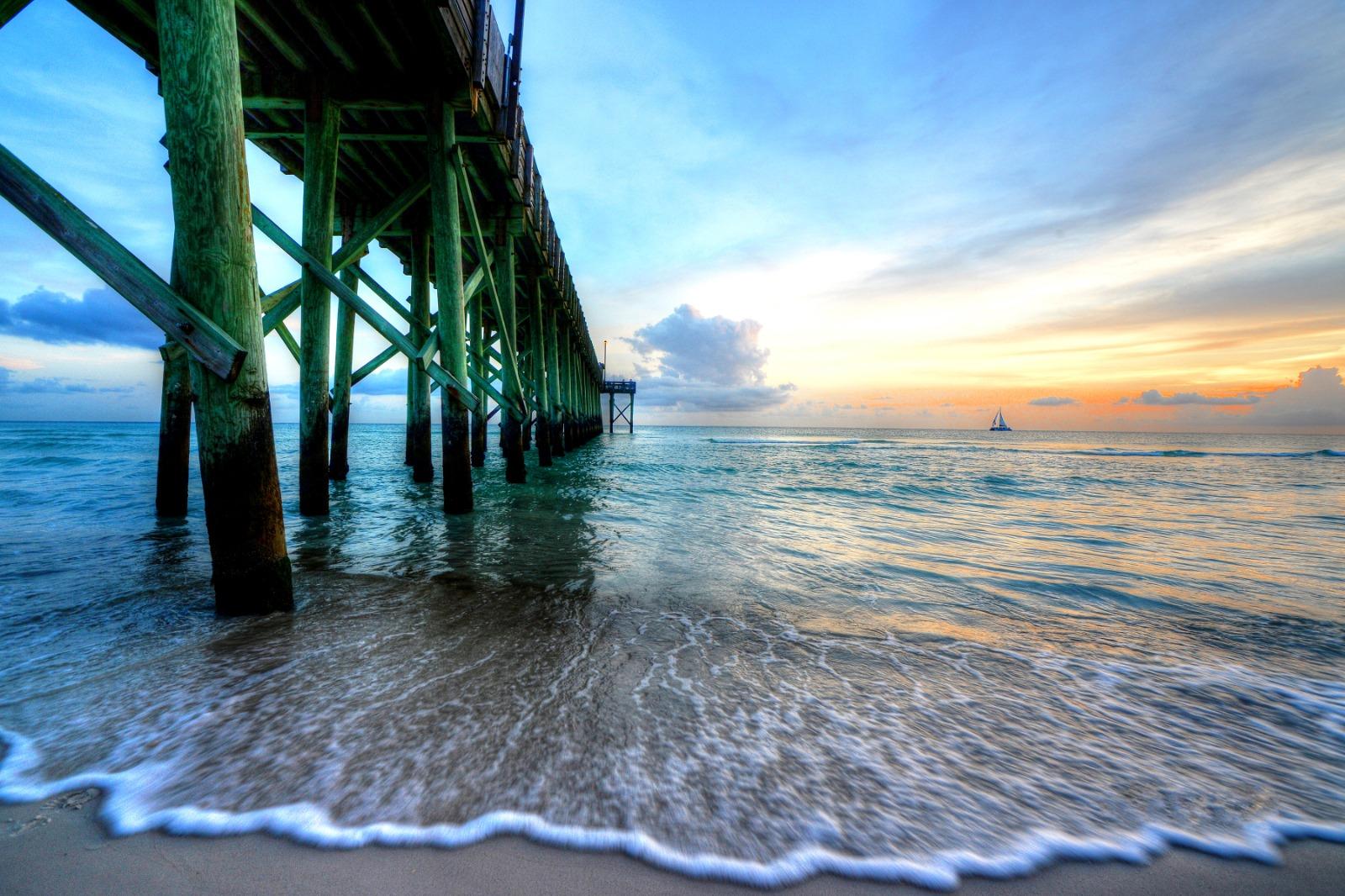
Summer is Panama City Beach at its liveliest: hot days, warm Gulf water, and a busy, festive atmosphere along the shoreline.
Typical summer conditions
- June: average highs around 89°F and lows near 73°F.
- July and August: highs around 90°F, lows near 75°F, with humid afternoons and warm nights.
This is also the wettest time of year, with June and July seeing more days with rain, often as short but intense afternoon showers or thunderstorms. July typically stands out as the wettest month, averaging about 7.4 inches of rain, but the pattern is often brief storms followed by sunshine.
The Gulf is very warm, with average summer water temperatures around 84–85°F, and peak warmth in late July and August. For most swimmers, that means you can stay in the water for long stretches without getting chilled.
Tips for enjoying summer weather
To make the most of summer conditions:
- Plan beach time in the morning and late afternoon when the sun is less intense.
- Keep an eye on the forecast for pop‑up storms and use them as a break for lunch or shopping.
- Pack high‑SPF sunscreen, light clothing, and a hat to stay comfortable in the heat.
Summer is perfect if you love that classic, high‑energy beach environment and want the Gulf at its warmest.
Fall (September–November): Warm Water, Fewer Crowds
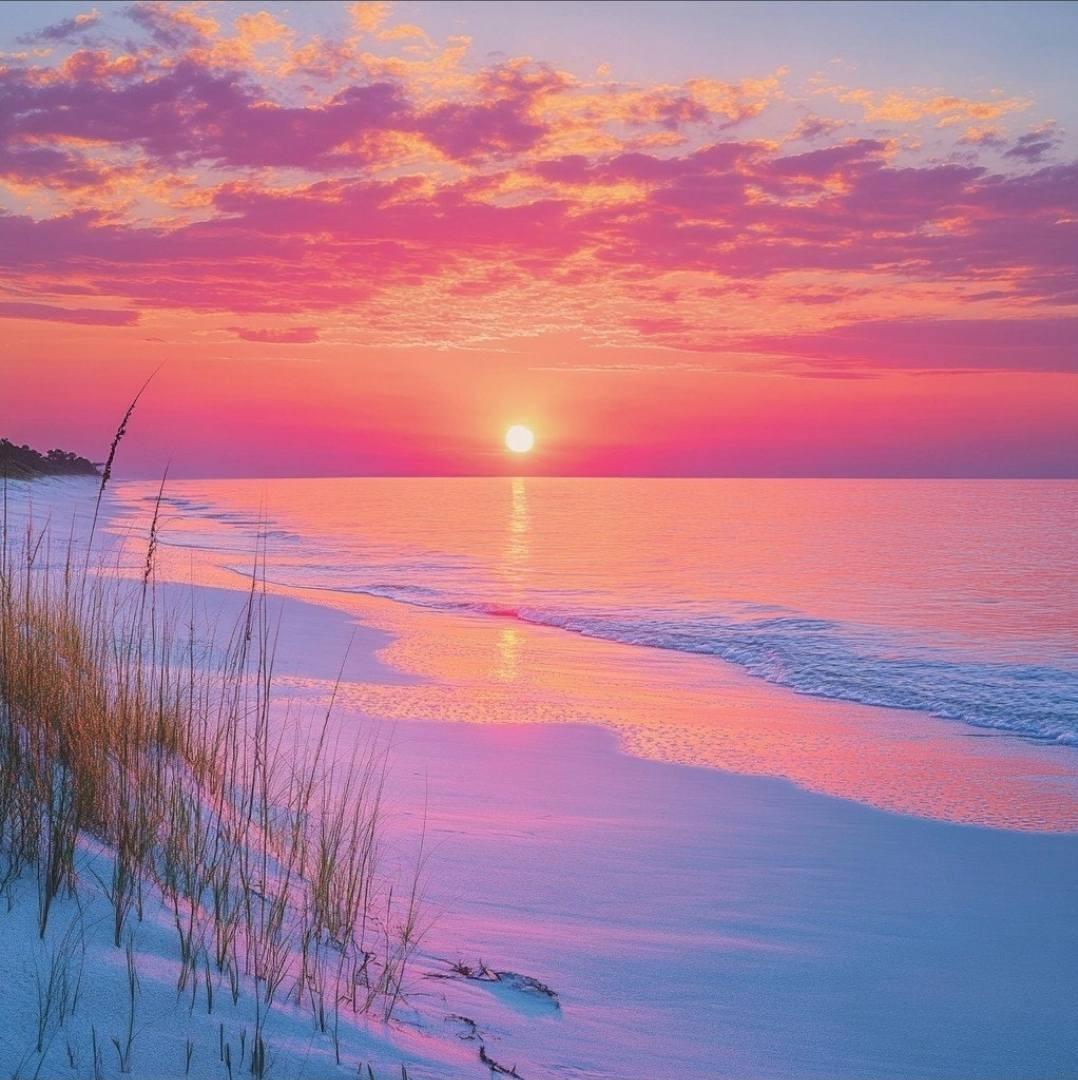
Fall is a favorite "secret season" for many PCB regulars because the water stays warm while crowds thin and temperatures gradually become milder.
Typical fall conditions
- September: highs around 88°F, lows near 71°F, still feeling very summery.
- October: highs around 81°F, lows roughly 60°F, with pleasantly warm days and cooler evenings.
- November: highs about 73°F, lows near 51°F, moving into a mild late‑fall pattern.
Rainfall often tapers compared with mid‑summer, and October tends to be one of the drier months. The Gulf remains warm, typically in the upper 70s in early fall and still comfortable for swimming through October and even into early November, especially for visitors used to cooler waters.
Why fall is a sweet spot
If you want warm water without the peak‑season bustle, fall is hard to beat. You can still enjoy long beach days, sunsets, and outdoor dining, but with more space on the sand and often better lodging availability. It's also a great season for fishing, boating, and other outdoor activities that benefit from milder air temperatures but still‑warm seas.
Winter (December–February): Mild and Quiet
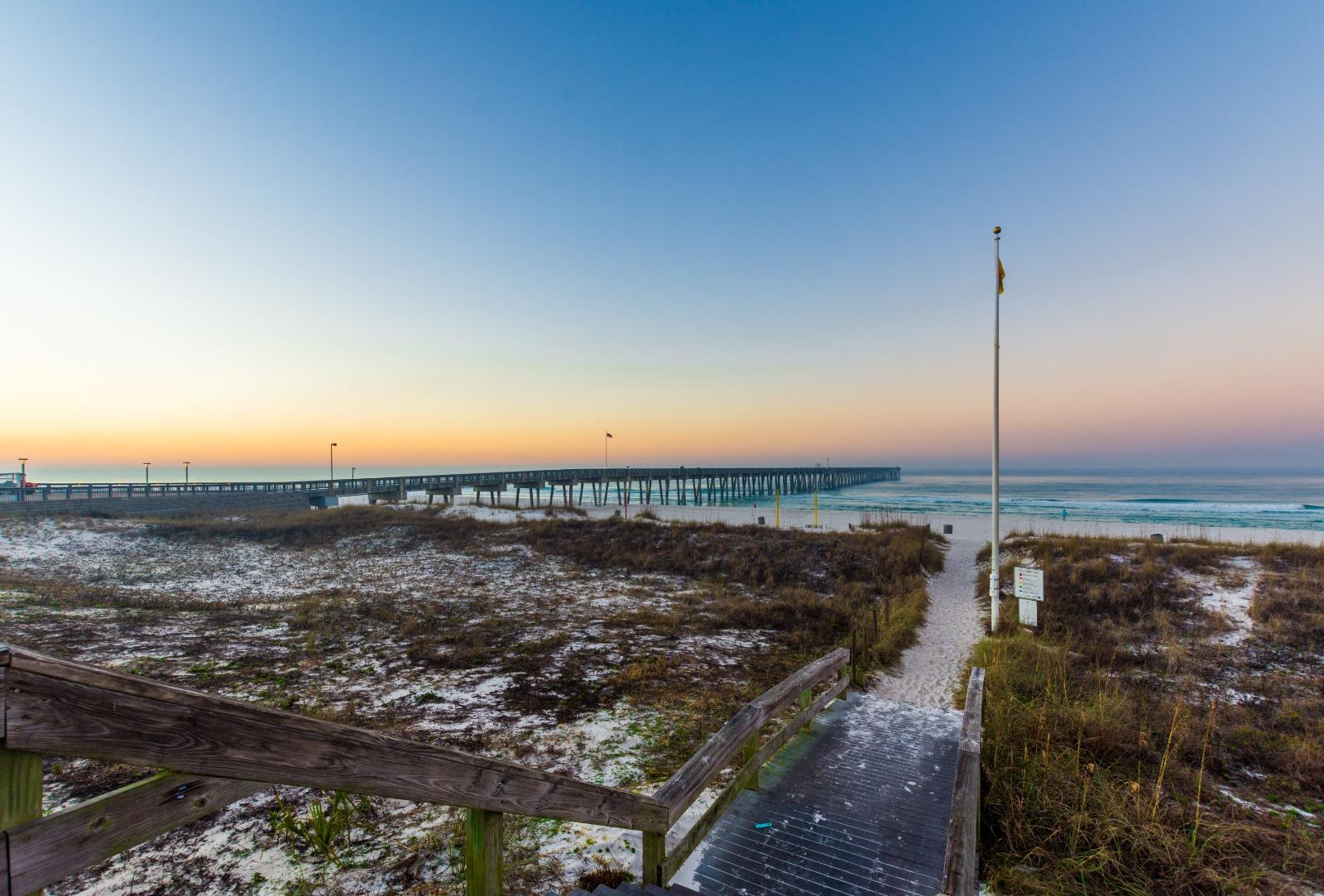
Winter in Panama City Beach is mild compared with much of the United States, but it is the coolest and quietest time of year for beach activities.
Typical winter conditions
- December: average highs around 66°F and lows near 44°F.
- January: highs around 63°F, lows near 42°F.
- February: highs around 66°F, lows around 46–48°F.
Rainfall during winter averages around five days per month, so you'll see a mix of sunny, cool days and brief rainy spells. Gulf water temperatures generally hover in the low 60s, which feels cold to most swimmers without a wetsuit.
Who should consider winter
Winter is ideal if you're less focused on swimming and more interested in mild weather for walking the beach, golfing, fishing, or simply getting away from harsher northern winters. This is also a popular time for long‑stay visitors and "snowbirds" who appreciate the quieter pace and lower seasonal crowds.
Hurricane Season in Panama City Beach
Panama City Beach is part of the Gulf Coast, so understanding hurricane season is important when planning your trip.
Official hurricane season dates
- Atlantic hurricane season runs from June 1 to November 30 each year.
- Activity historically peaks around September, though many days in this period are completely calm and sunny.
Local tourism and safety guides emphasize that, even in hurricane season, Panama City Beach sees far more pleasant beach days than stormy ones. Modern forecasting provides significant advance notice for tropical systems, giving you time to adjust travel plans if a major storm threatens.
Practical planning tips
If you're visiting during hurricane season:
- Consider travel insurance that covers weather‑related disruptions.
- Monitor forecasts from trusted sources like the National Hurricane Center and local weather outlets.
- Follow local guidance regarding watches, warnings, and any evacuation information.
Storm categories range from Category 1 (74–95 mph winds) to Category 5 (157 mph or higher), and storms of Category 3 or above often trigger evacuation orders, especially in low‑lying coastal areas.
Best Time to Visit by Travel Style
Because the weather in Panama City Beach shifts gradually across the year, the "best" time really depends on what you want most out of your trip.
For the warmest water and classic beach days
If your top priority is swimming and watersports in the warmest Gulf conditions, aim for:
- Late May through early October, when water temperatures are typically in the upper 70s to mid‑80s.
- July and August for peak warmth, with water often around 84–86°F.
Just remember that this overlaps with the wettest and most humid part of the year.
For mild temperatures and active days
If you plan to split your time between the beach and activities like hiking, biking, golfing, or fishing:
- March, April, and May offer comfortable daytime highs in the 70s and low 80s with relatively low rainfall.
- October and early November bring pleasant, less humid days with comfortable highs and cooler evenings.
These shoulder periods often provide a good balance of comfortable weather and fewer crowds than peak summer.
For budget‑friendly quiet time
If you prefer a peaceful atmosphere and are less concerned with swimming:
- December through February are the quietest months, with mild but cooler conditions and lower water temperatures.
- Late fall (mid‑November into early December) can also be calmer while still offering some warm, sunny days.
These times suit travelers looking for walks on uncrowded beaches, off‑season deals, and a slower pace.
Fishing and boating
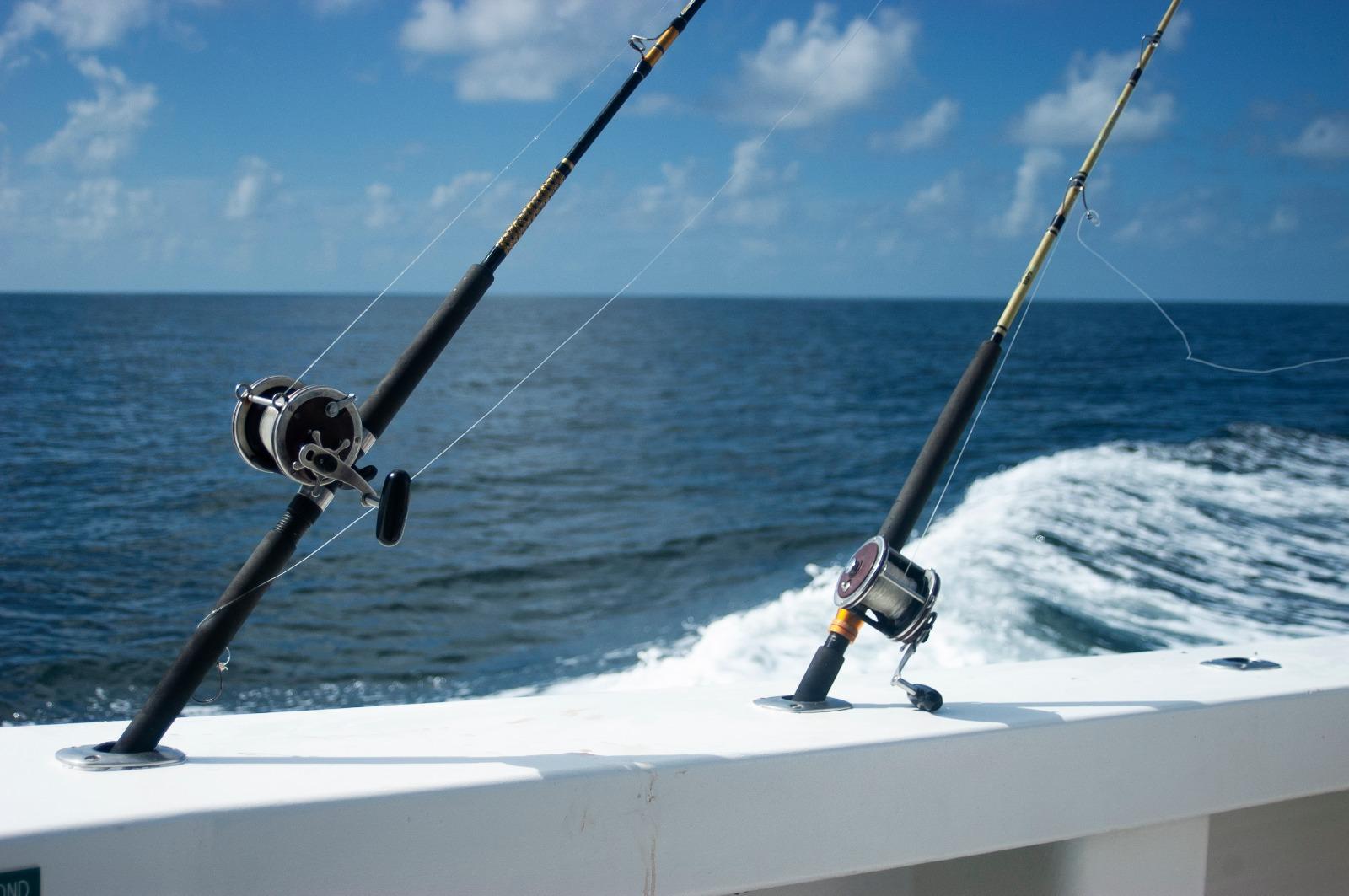
For anglers and boaters:
- Spring and fall bring moderate temperatures that are comfortable for early‑morning or all‑day outings.
- Summer offers warm water and active marine life, but you'll need to plan around afternoon storms.
Wind, waves, and tides can vary, so always check marine forecasts before heading out.
Final Thoughts
Panama City Beach really is a rare year‑round destination, but the "best" time to visit comes down to what kind of trip you want. Whether you're chasing the warmest Gulf water in midsummer, the balanced sunshine and breezes of spring and fall, or the peaceful, budget‑friendly calm of winter, there's a season that fits your travel style.
As you plan, think about your priorities: swimming, crowds, events, or pure relaxation. Then match those goals to the season that delivers the weather you'll enjoy most. When you're ready to turn your plans into reality, visit Emerald Coast Retreats to check dates and lock in the best rate for your ideal beach escape by booking direct.